The first in-person event I ever fully planned and hosted myself was for about 30 people in Midway, Utah.
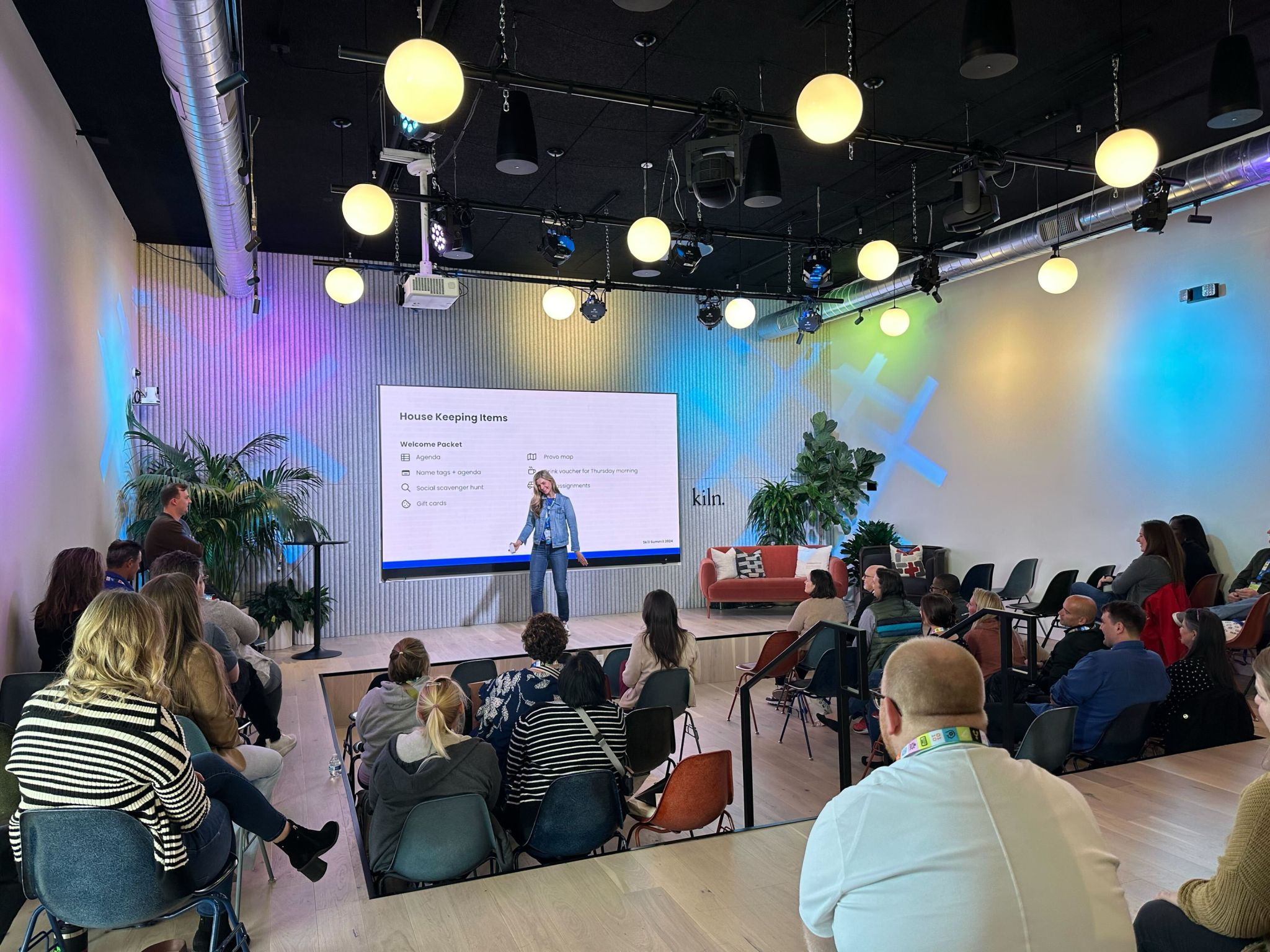
We were pretty bootstrapped at the time, which meant we had to get creative with how we put things together. We didn't have the budget to hire a full event staff, so every employee had a job to do. We had to figure out transportation, schedules, activities, accommodations, and all the little things that go into getting people together in one place.
I was learning as I went (and thankfully had another Sam who supported me).
Since then, I've organized many other types of events. Intimate gatherings, enterprise dinners, professional sports suites, meetups, booths at conferences, and developer conferences with more than 1,100 attendees.
Some are designed to generate pipeline. Others are about building community, bringing customers together, or connecting people who might not otherwise cross paths.
I've learned every event has its own operating system.
A 30-person gathering and a 1,100-person developer conference are not the same animal. They have different rules, priorities, problems, and ways of measuring success.
But they all share one common responsibility: someone has to think of everything.
Decide and be loud about it
A cute thing about event planning: you'll always wish you had started sooner.
You might be planning something eight months out, and everyone else thinks that's an eternity. Plenty of time!
Yeesh. Think about how many features, product launches, and AI models will come out in eight months. Gosh, I've built and shipped about five applications in the last two months alone.
But you know how much needs to happen between now and then.
My advice? Trust your expertise and make decisions.
You don't need to run every little detail by everyone. In fact, don't. You'll spend more time collecting opinions than actually getting things done.
But that doesn't mean you should make every decision in a vacuum, either.
Know which decisions are yours to make, which ones need input, and which ones need approval.
And communicate loudly and frequently. It'll give your team confidence that someone is driving the event forward, and it'll keep that event more top of mind even when everyone else is scheming a product drop that'll blow the world's mind.
For a larger, all-eyes-on-us event, here's how I generally think about dividing up the decisions:
Location: the executive team. I'd suggest having a quick 15-minute meeting to get a feel for what they're thinking. From there, go do your research, scout options, and present your top three picks with the reasoning behind each. Don't make them do the research for you. Bring them decisions, not homework.
Budget: your main finance gal/guy. Be upfront from the jump about costs, ticket sales goals, sponsorship goals, and how those numbers evolve along the way. The goal should be no surprises when the final bill comes in.
Content: founder, CEO, and marketing leader. With the power of them combined, they should have a pretty good understanding of what people want to hear. Content and speakers are among the most important decisions you'll make. They're a big reason people decide to attend in the first place.
Enterprise scheming: sales and marketing leaders. If one of your event goals is pipeline generation, these people need to be in the know. They'll likely have a better understanding of which prospects and customers should be in the room, who should be invited to special experiences, and what those experiences should look like.
Little details: you. Give the people above you an opportunity to weigh in, but ultimately, own the details. Be decisive. Be bold. Be risky. Be smart.
Get as far as you can, as quickly as you can
If you can get the foundational pieces decided and shipped as early as possible, it gives you the flexibility you need to make it a whopping success.
Foundational pieces include:
the venue
the landing page
ticket sales
speakers (don't have to launch ticket sales with all, but you should have at least a handful of names)
sponsorship conversations/sales
Not everything will stay the way you planned it. Things change, sometimes drastically. Speakers cancel, venues change their requirements, attendance projections shift, and budgets move. This is part of the job.
The earlier you can get those foundational pieces done, the more time you have to adjust.
I've said it once, I'll say it twice! Adaptability is an incredibly important skill for event organizers. You need direction, but you also need to be comfortable changing course.
You can spend six months planning something down to the minute, and then one phone call changes the entire plan. Don't get too attached to the original version. Your job isn't to protect the plan. It's to make sure the event succeeds.
Plan for what you can't control
There are many variables in event planning you won't be able to control. Weather, no shows, travel delays, technical difficulties, stage fright.
While you can't prevent them from happening, you can think about them before they happen.
Aaron Francis, emcee extraordinaire, does this flawlessly. At every event I've planned with him as emcee, he sits as close as possible to the stage, listens to every word from every speaker, and locks in. He's ready at a moment's notice to jump in and save a speaker if their slides don't pop up or they lose their train of thought.
This is great for speakers, yes, and great for the audience.
It sucks that things happen out of our control, but they do happen. Plan on it. Prepare your people for it.
Save the last 3-4 weeks for the details
Ideally, the foundational planning is well underway months before the event. Because then, you get to do the really fun stuff: the finishing touches.
Branding
Activations (fancy word for fun activities around the space, like a soda bar!)
Team assignments and rah-rahs
Attendee pre-event comms
Snacks(!!!)
Transition slides
Sponsor snacks(!!!)
The list is forever and ever. Instead of figuring out how the event is going to operate, you focus on making it better.
Don't underestimate how much these little things contribute to the overall production. They're easy to overlook when you're busy getting the big pieces together, which is exactly why I like saving dedicated time for them.
Take the job seriously
Event organizing is a really important job. People are spending their money to attend your event. More importantly, they're taking time away from their families, friends, and work.
That's a big responsibility.
Details, communication, team preparation, backup plans. Confirm, confirm, confirm.
When an event is organized well, most people won't realize how much work went into it. They just show up, everything works, and they have a great time.
This is what you want!
You don't need to personally do everything (and shouldn't!), but you do need to know that everything has been thought about, assigned, confirmed, and accounted for.
And when something inevitably goes wrong, you need to know what to do.
That's the job. Someone has to think of everything.